Mali has faced a prolonged political transition since the military coups of 2020 and 2021. Insecurity remains a major challenge, characterized by jihadist attacks and clashes among armed groups. Despite receiving support from Russian paramilitaries, the Malian army is struggling to effectively manage the security situation.
This ongoing instability brings Mali’s security sector reform (SSR) project, which began in 2013, into question. The SSR was launched following a multidimensional crisis triggered by a Tuareg rebellion seeking the independence of northern Mali. Its initial goal was to bolster the Malian state’s defense and security capabilities.
However, several years later, the implementation of the SSR has stalled. This is attributed to several factors: a lack of political prioritization, corruption, insufficient involvement from stakeholders (including civil society), limited resources, and the refusal of some former rebels to disarm and canton. Consequently, Mali’s armed forces have been unable to strengthen sufficiently to effectively counter terrorist threats and restore security.
The institutional structure for Security Sector Reform (SSR) implementation is overseen by a steering committee. This committee is supported by an executive body, an SSR commissioner, and security consultative committees operating at regional and local levels. A key element of this framework is the requirement for active participation of civil society organizations (CSOs) in both supervision and monitoring. Consequently, representatives from civil society are mandated to be included in the commissioner’s office as well as the consultative committees within the various regions and communes.
The Role Of CSOs In Mali’s Democratic Future
CSOs are vital for the democratic control of the security sector, helping prevent corruption and impunity. Initially excluded from the SSR commission, CSOs were included in security consultative committees from 2019. Workshops since 2020, funded by UN, AU, and EU missions, have raised CSO awareness of their SSR role.

In regional and local consultative committees, CSOs monitor security and offer recommendations, although regional authorities rarely heed them. Malian CSOs face several barriers to becoming key SSR players: first, security authorities are reluctant to involve them in sensitive defense matters; second, CSOs lack capacity for security sector control activities; and third, their reliance on external partners or state authorities compromises their autonomy.
Strengthening CSOs in Mali
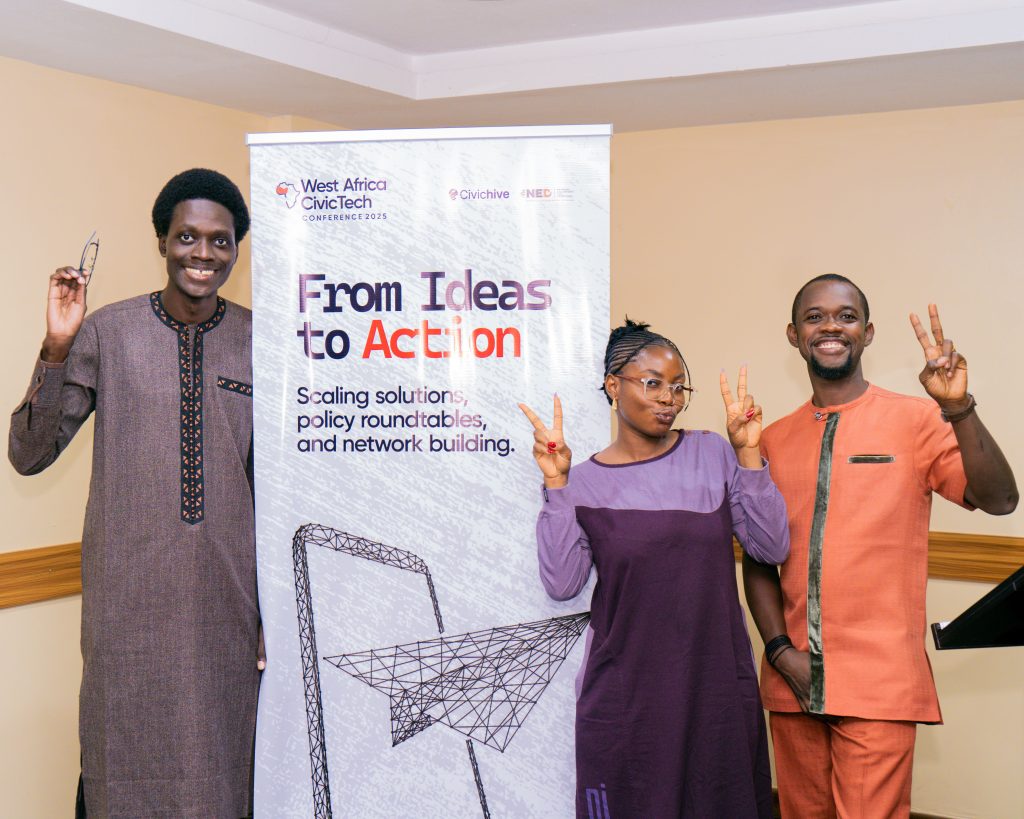
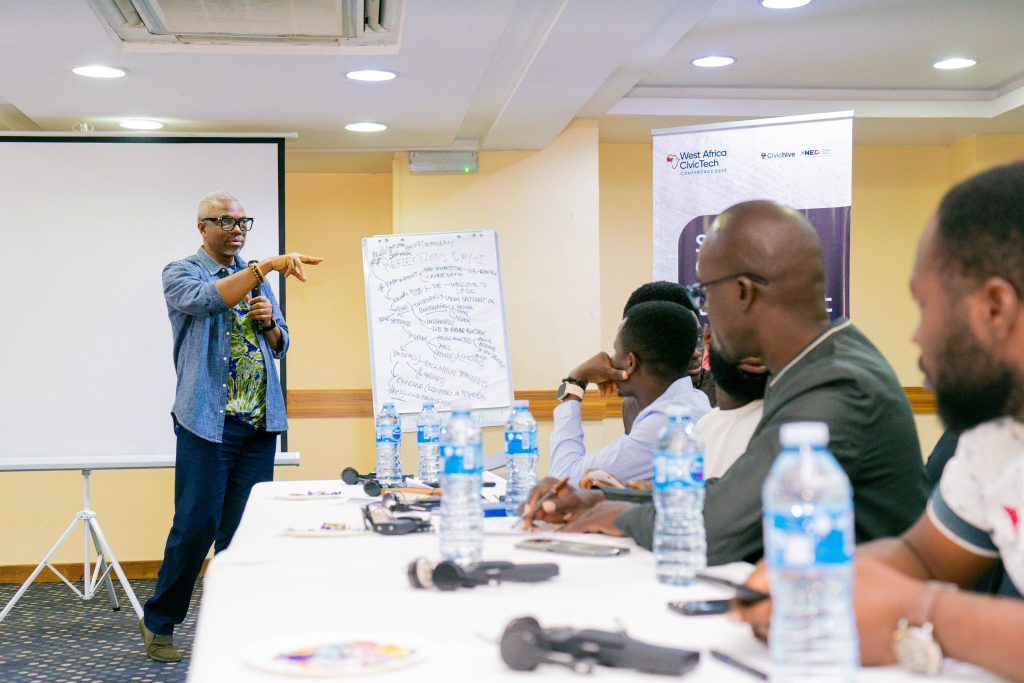
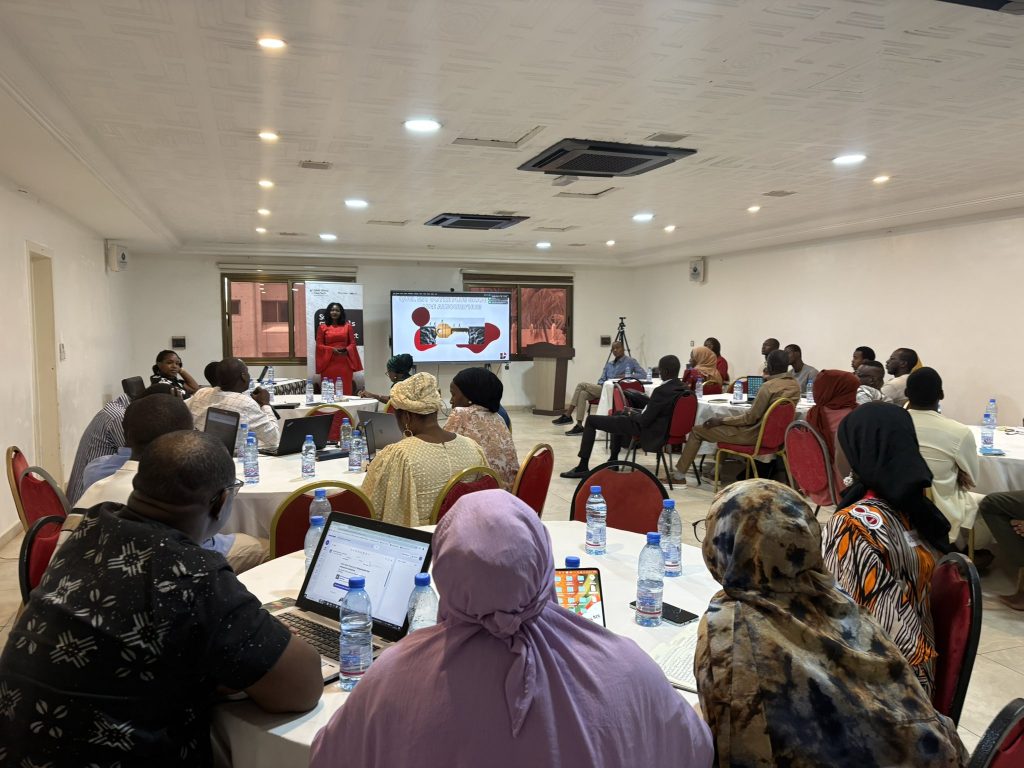
In response to these realities, CivicHive, in partnership with Tuwindle, through the West Africa CivicTech Network recently convened a capacity-building training in Bamako, bringing together 53 civil society actors from across the country to strengthen organisational efficiency, strategic communication, and research capacity. The training aimed to equip participants with practical tools and approaches to improve institutional performance and enhance long-term impact.
The training brought together 53 participants, including programme managers, and organisational leaders from civil society organisations, youth- and women-led initiatives, media groups, and advocacy organisations. This created a learning environment where participants shared experiences, exchanged ideas, and reflected on common challenges facing their organisations, and CSOs role in Mali’s future.

The training focused on three critical areas essential for organisational growth and sustainability: Organisational Efficiency and Operations, Strategic Communication, and Research and Knowledge Development. In the area of organisational efficiency and operations, participants explored ways to strengthen governance structures, improve strategic planning, and enhance accountability systems. The sessions also covered core operational areas such as project management, financial processes, and Monitoring, Evaluation, Accountability, and Learning (MEAL).
Recognising the growing importance of effective communication, the Strategic Communication module helped participants develop skills in advocacy, media engagement, digital communication, and managing misinformation. Discussions also addressed crisis communication and the essential task of building public trust in complex environments.
Finally, the Research and Knowledge Development section introduced participants to practical approaches for designing and conducting research, analysing data, and ensuring ethical standards. A strong emphasis was placed on translating this research into actionable insights for policy engagement, advocacy, and programme design.
Restoring Democracy in Mali: Key Actions and International Support
The restoration of democracy in Mali hinges on a swift return to constitutional order through free, fair, and inclusive elections. This is the primary demand of Malian civil society, which stresses the necessity of guaranteeing fundamental freedoms such as association, expression, and peaceful assembly throughout the electoral process.
Beyond elections, restoring democracy requires significant institutional and political reforms. These reforms should focus on strengthening democratic institutions, upholding the rule of law, enhancing accountability, and eradicating corruption.