In the face of rising hostility and shrinking civic spaces, human rights defenders (HRDs) across West Africa and beyond exemplify resilience and courage. Despite the numerous challenges posed by political instability, restrictive laws, and digital threats, they remain steadfast in their mission to uphold justice and dignity for all. The environment for human rights work today is fraught with risks. Civic spaces are increasingly being restricted through legal, political, and digital means. For instance youth-led protests are met with force, journalists face arbitrary arrests and LGBTQ+ individuals and women bear the brunt of societal repression.
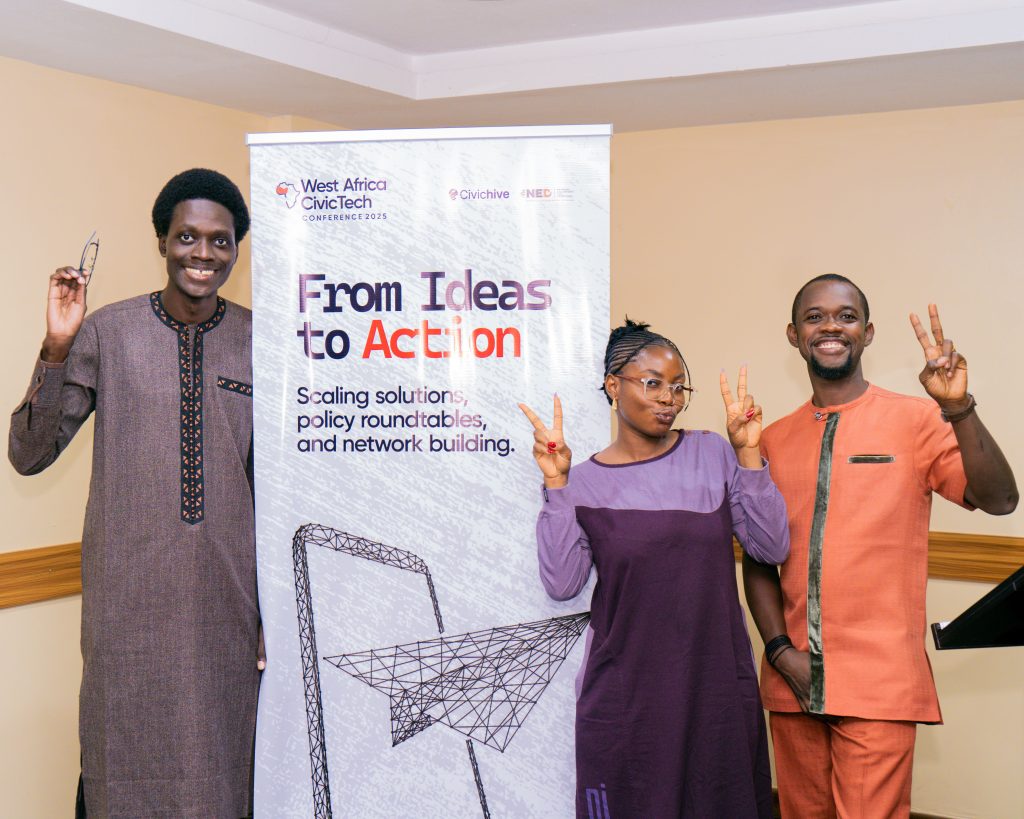
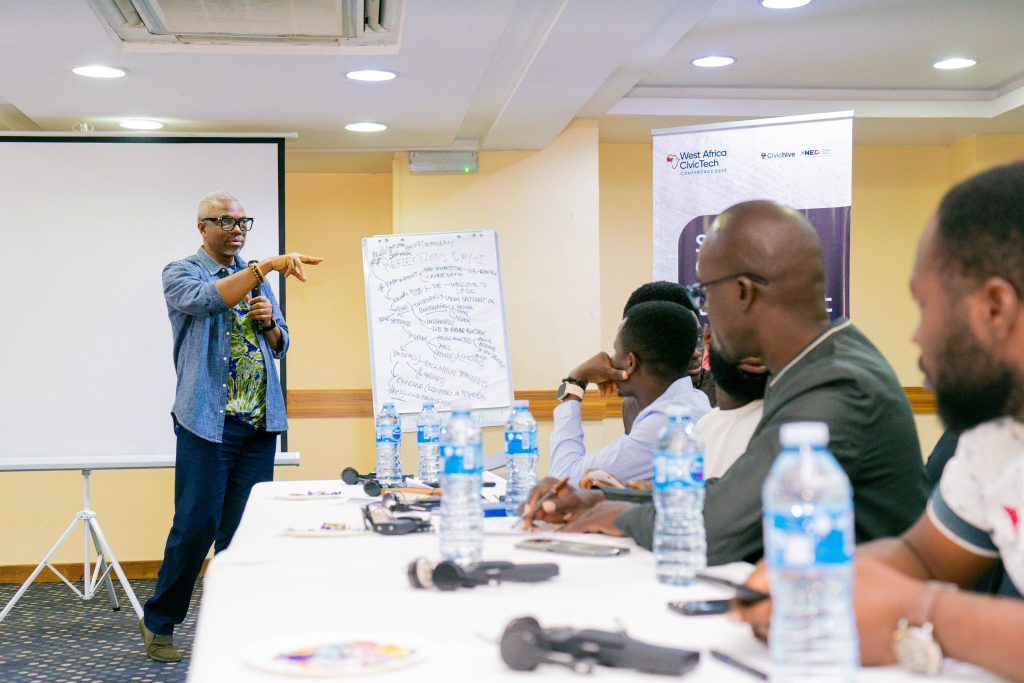
During the West Africa Civic Tech Conference organized by CivicHive at Colossus, Ms. Itoro Eze-Anaba, a seasoned human rights lawyer and internationally respected gender advocate, led a session on Protecting Human Rights in a Hostile Environment. As the Managing Partner of Partnership for Justice (PJ) and the visionary founder of the Mirabel Centre, the first Sexual Assault Referral Centre (SARC) in Nigeria and the second in West Africa, Ms. Eze-Anaba shared valuable insights into the systemic hostility faced by human rights defenders (HRDs).
She highlighted that much of this hostility is rooted in deeply entrenched structural issues, including post-colonial power dynamics and a pervasive fear of an informed, empowered citizenry. According to Ms. Eze-Anaba, this hostility thrives on isolation, highlighting the urgent need to disrupt the status quo through unity and solidarity.
Challenges faced by Human Rights Defenders
Human rights defenders (HRDs) play a vital role in democracy, but inadequate legal protections undermine their safety and work in West Africa. According to a survey carried out by Gender Centre for Empowering Development (GenCED), despite their contributions to national stability, 53% of surveyed HRDs expressed dissatisfaction with existing legal frameworks, citing their restrictive nature and lack of safeguards for their rights. These frameworks often stifle criticism of government officials and policies, exacerbating the challenges faced by HRDs in an increasingly hostile environment.
In addition to these legal and political obstacles, HRDs globally face a range of serious threats. They frequently encounter physical violence, arbitrary detention, and criminalization of their work, particularly in authoritarian settings. Digital surveillance and cyber threats compromise their privacy and ability to communicate securely, while reprisals against those cooperating with international human rights bodies create a climate of fear. Women defenders face unique risks including gender-based violence and harassment, underscoring the need for gender-sensitive protections. The widespread impunity enjoyed by perpetrators of abuses further emboldens attacks and weakens accountability.
Locally, many HRDs have experienced abuse, threats, and rights violations over the past two years, with female defenders disproportionately affected—56% of women reported such experiences compared to their male counterparts. At the country level, Sierra Leone recorded the highest incidence of violations at 89%, while Cabo Verde reported none. Digital threats also pose a significant challenge, especially in Burkina Faso and Sierra Leone, where all HRDs surveyed raised concerns about the impact of the digital environment on their work. This highlights the urgent need for stronger legal protections and support systems tailored to the diverse risks HRDs face.
Strategies for Protection and Empowerment
To effectively protect human rights defenders (HRDs), the Global Alliance of National Human Rights Institutions (GANHRI) highlights the importance of establishing strong national protection frameworks. These frameworks should focus on preventing violations, responding quickly to threats, and providing remedies for HRDs at risk. Key elements include:
- Creating National Protection Mechanisms: Governments should develop and enforce comprehensive systems that ensure the safety of HRDs, allowing them to operate without fear of retaliation.
- Fostering Dialogue and Cooperation: Encouraging open communication between state authorities and civil society groups to build trust and collaborate on safeguarding HRDs.
- Regular Monitoring and Documentation: Continuously tracking the situation of HRDs, recording abuses or threats, and publicly sharing these reports to raise awareness and hold perpetrators accountable.
- Adopting International Guidelines: Implementing recommendations from global and regional human rights organizations to strengthen legal and institutional protections for HRDs.
Collaborating with and forming partnerships among local, national, and international stakeholders is essential to effectively support human rights defenders and their efforts. By adopting these approaches, countries can create safer environments that empower HRDs to carry out their crucial work.
Conclusion
Human rights defenders stand at the frontline of the fight for justice and democracy, yet they face profound risks ranging from physical violence and legal repression to digital surveillance and gender-based threats. The challenges they endure, exacerbated by restrictive legal frameworks, lack of accountability, and evolving digital dangers, demand urgent and comprehensive responses. Protecting HRDs requires robust national protection systems that ensure their safety, foster dialogue between governments and civil society, and implement international human rights recommendations. Equally important is building strong alliances across local, national, and global levels to amplify their voices and safeguard their work. Only through collective commitment and strategic action can we create an environment where human rights defenders are empowered to continue their vital mission without fear, securing a more just and equitable future for all.